Filter op categorie:
Jev Is Not a Chatbot, and That’s the Point
09 Oct 2026 | Basile Aelterman
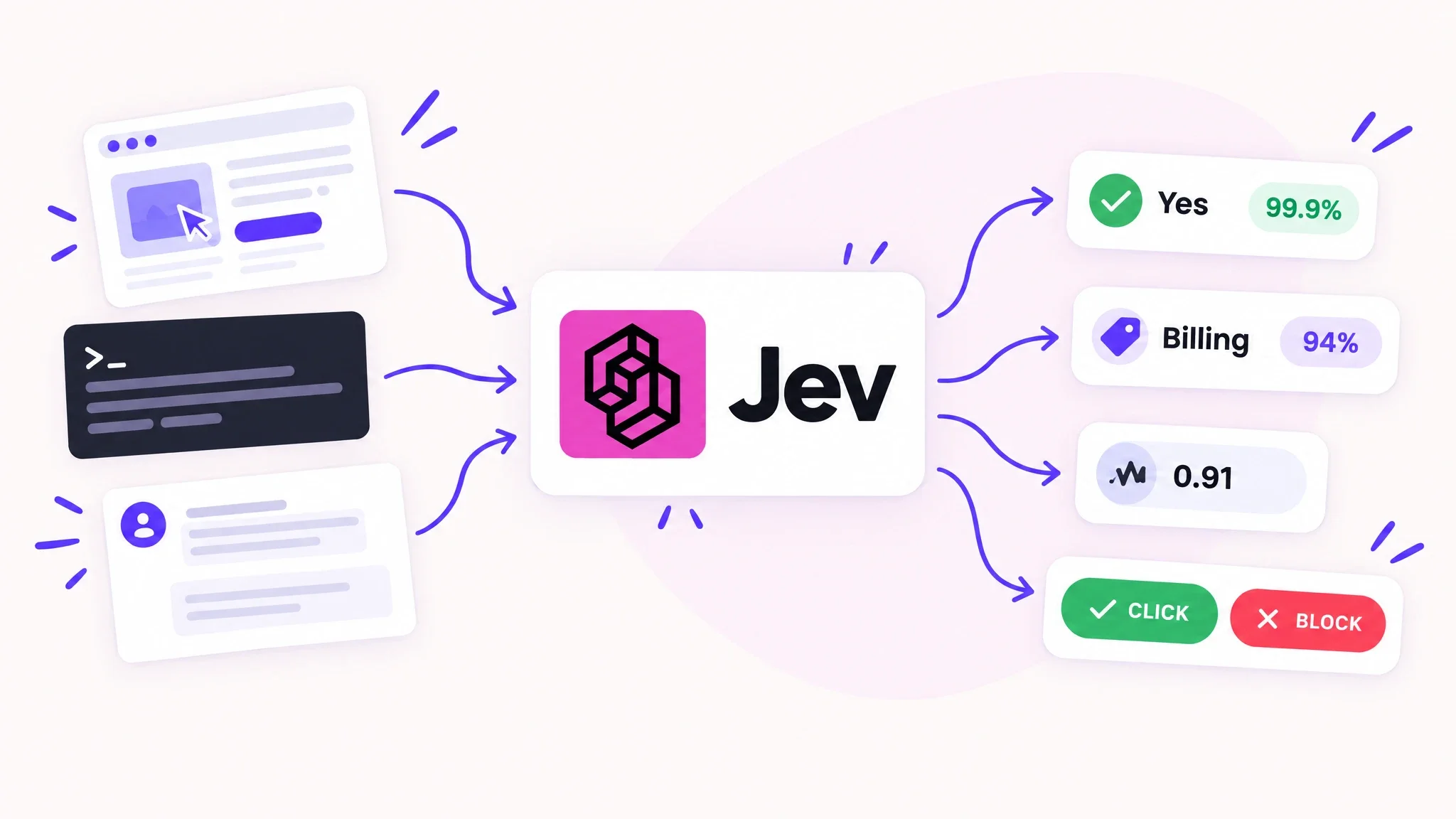
TypeSafe AI recently unveiled Jev, not another chatbot like Claude, ChatGPT, etc. But a smart, fast decision model that your code can reliably use to perform actions, based on input. In this blogpost, I'll go over what exactly Jev is, how it works, and why it's something to keep an eye out for.
Websecurity: The first line of defence
02 Oct 2026 | Peter Cornelis
In a day and age where hacking and data theft are common, understanding and implementing strong security measures is more important than ever! In the first part of our web security series, we’ll take a closer look at three of the most common vulnerabilities found in applications: SQL injection, Cross-Site Scripting (XSS) and Cross-Site Request Forgery (CSRF). We’ll explore how these vulnerabilities work, demonstrate why they can be dangerous, and look at how developers can protect their applications against them.
Alle Posts

Websecurity: Secrets, Uploads and Dependencies
16 Oct 2026 | Peter Cornelis
In this final chapter, we will take a closer look at three other important topics: Secrets management, File upload security, dependency vulnerabilities. Personally I got particularly excited about dependency vulnerabilities and the opportunity to overhaul how we use dependencies.
Training A Digital Intern: Prompts, Skills, Plugins and MCP Explained
16 Oct 2026 | Basile Aelterman
Remember when writing code with an LLM meant saying "You are a world-class software engineer..." and then just pray for the best? That era is over. Today, prompting an AI looks less like manipulating an intern into thinking they are a world-class engineer, and more like building software: reusable skills, plugins you can install, MCP servers that integrate AI into your tools, heck, even package managers for those types of prompts? In this post I’ll unpack what prompting has become, why the clever one-liner is being replaced by infrastructure, and what that means for anyone who wants to get real work out of a coding agent.

Websecurity: Securing Sessions, Passwords, and Rate Limiting
09 Oct 2026 | Peter Cornelis
In our previous article, we explored three common web vulnerabilities: SQL injection, XSS, and CSRF. In this second part of our web security series, we’ll take a closer look at 3 other important aspects of keeping an application secure and exploit free.
The Basics Of The Web, Explained For Laravel Developers
02 Oct 2026 | Basile Aelterman
You can build a whole Laravel application without ever really thinking about what happens between the browser and your server. Until something breaks. Suddenly you're staring at a CORS error or a 419 page, and you have no idea where to start looking. In this blog post, we'll go through the basic concepts of the web that every developer runs into, sooner or later, and how they might show up in a Laravel application.

APIs and their integration with Laravel
25 Sep 2026 | Peter Cornelis
Modern applications often need to communicate with mobile applications or other services. This is where APIs come in. Today, we are going to dig deeper into APIs and look at how they can be integrated with Laravel. But before we go into Laravel, let’s first review REST APIs or Representational State Transfer APIs, and how they allow different applications to communicate with each other.
An Introduction to CI/CD In Laravel
25 Sep 2026 | Basile Aelterman
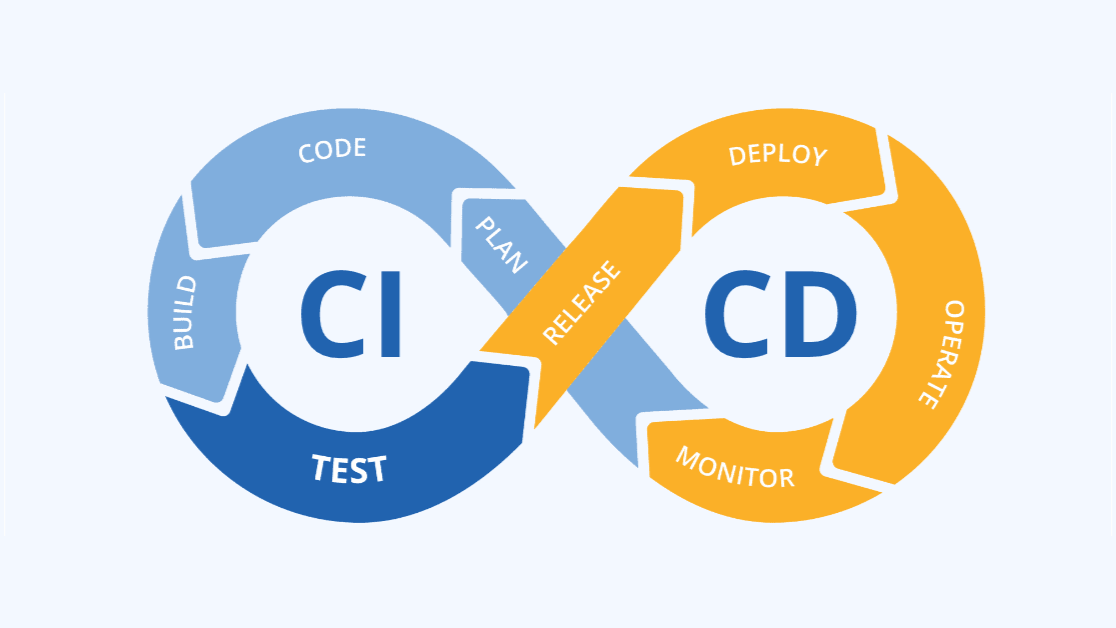
Done with manually deploying your application every time you make a small change to your codebase? Then it might be time to get to know CI/CD! In this blog post, we'll dive into what it means, the fundamentals of how it works, and how to set it up in your own Laravel application.

Understanding Jobs and Queues in Laravel
11 Sep 2026 | Basile Aelterman
Tired of slow response times for tasks like sending newsletters? In this blog post I'll go over both jobs and queues, explain what they are, why, and how you should use them in your Laravel application.

Task Scheduling the Centralized Way
11 Sep 2026 | Peter Cornelis
In the past, whenever I needed a task to run on a web server, my go-to solution was a cron configuration entry. However, as the number of scheduled tasks grows, managing cron entries across multiple servers can quickly become a burden. Especially since you always have to connect to your server to manage your cron jobs separately from your application code. Laravel Task Scheduling provides a centralized solution that allows you to configure your scheduling logic entirely within the application itself. Instead of defining each task separately in the server’s cron configuration, you can define your scheduled tasks alongside the rest of your application code.

Introduction to metadata and Laravel Head
04 Sep 2026 | Peter Cornelis
Every web application needs metadata. In this post, we will take a closer look at the metadata stored inside the <head> of a page and explore a simple and clean way to manage this in Laravel using the recently introduced Laravel Head package.