Filter op categorie:
Websecurity: The first line of defence
02 Oct 2026 | Peter Cornelis
In a day and age where hacking and data theft are common, understanding and implementing strong security measures is more important than ever! In the first part of our web security series, we’ll take a closer look at three of the most common vulnerabilities found in applications: SQL injection, Cross-Site Scripting (XSS) and Cross-Site Request Forgery (CSRF). We’ll explore how these vulnerabilities work, demonstrate why they can be dangerous, and look at how developers can protect their applications against them.
Alle Posts

Websecurity: Secrets, Uploads and Dependencies
16 Oct 2026 | Peter Cornelis
In this final chapter, we will take a closer look at three other important topics: Secrets management, File upload security, dependency vulnerabilities. Personally I got particularly excited about dependency vulnerabilities and the opportunity to overhaul how we use dependencies.

Websecurity: Securing Sessions, Passwords, and Rate Limiting
09 Oct 2026 | Peter Cornelis
In our previous article, we explored three common web vulnerabilities: SQL injection, XSS, and CSRF. In this second part of our web security series, we’ll take a closer look at 3 other important aspects of keeping an application secure and exploit free.

APIs and their integration with Laravel
25 Sep 2026 | Peter Cornelis
Modern applications often need to communicate with mobile applications or other services. This is where APIs come in. Today, we are going to dig deeper into APIs and look at how they can be integrated with Laravel. But before we go into Laravel, let’s first review REST APIs or Representational State Transfer APIs, and how they allow different applications to communicate with each other.

Understanding Jobs and Queues in Laravel
11 Sep 2026 | Basile Aelterman
Tired of slow response times for tasks like sending newsletters? In this blog post I'll go over both jobs and queues, explain what they are, why, and how you should use them in your Laravel application.

Laravel Telescope: Why It's A Must For Local Development
04 Sep 2026 | Basile Aelterman
Have you ever wanted to gain deeper insights into your Laravel application's performance and behavior? In that case, Laravel Telescope might be something you want to give a shot. In this blogpost, I'll explain what exactly Laravel Telescope is, how to set it up in your Laravel application, how it works, and why it should be the next tool in your toolbox.
Eloquent Model Events: Observers and When to Walk Away
28 Aug 2026 | Peter Cornelis
Eloquent model events make it easy to run logic when a model is created, updated, or deleted. But while observers and model events can keep code clean, they can also hide important behavior and introduce unexpected side effects. In this post, we'll explore Eloquent model events, observers, change detection, and when it might be better to walk away.
Getting familiar with Polymorphic Relationships
21 Aug 2026 | Peter Cornelis
IntroductionImagine you want to store images for users, products, posts, etc. In such cases, a polymorphic relationship can be useful. It allows a mod...
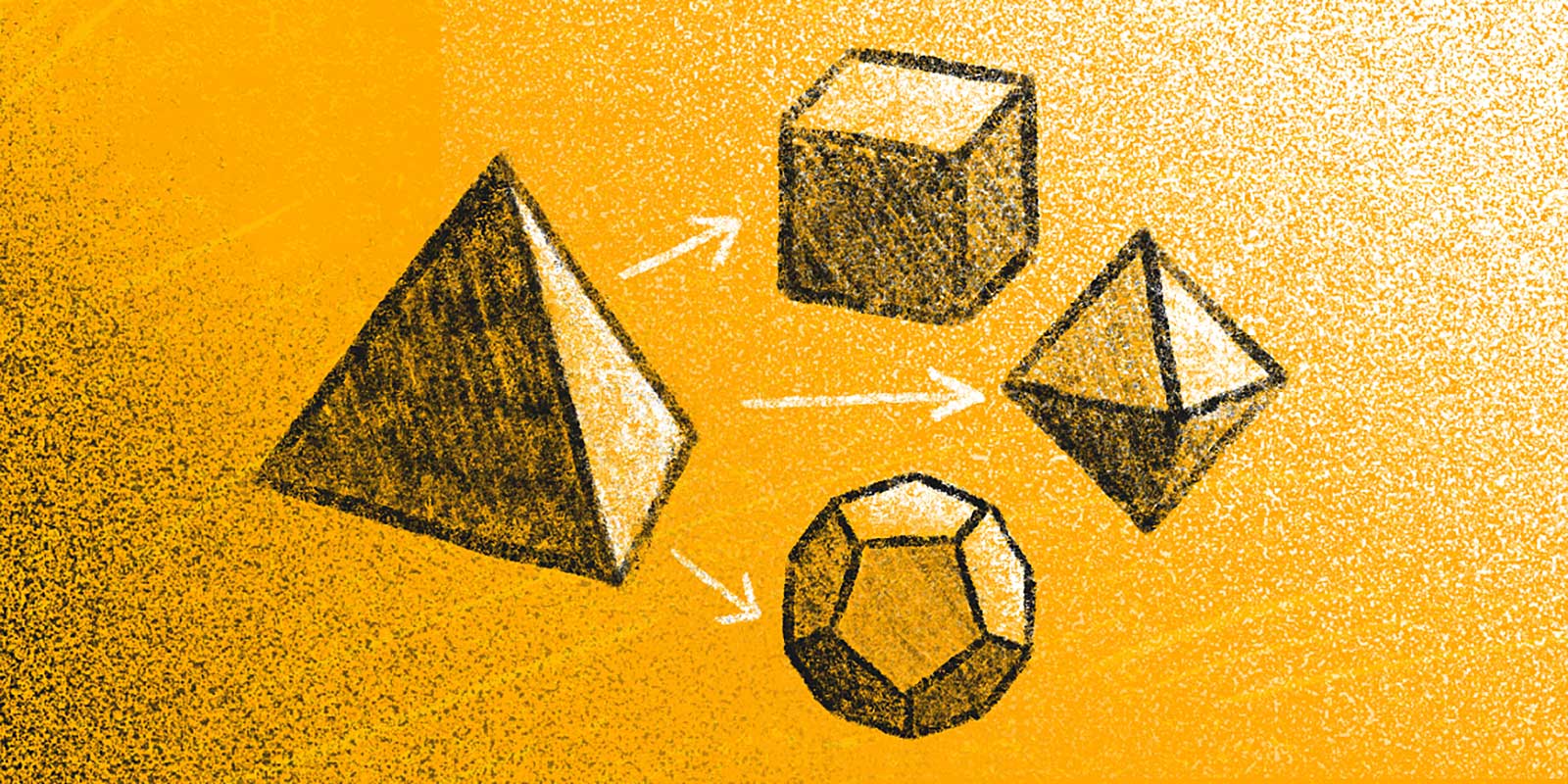
The Art of Morph Relationships in Laravel: A Beginner-Friendly Introduction
07 Aug 2026 | Basile Aelterman
Have you ever found yourself trying to manage multiple relationships between different models in your Laravel application? If so, you're in for a treat! Today we'll explore the concept of morph relationships in Laravel–a neat feature that introduces polymorphism to your database design, making your application more robust and elegant.
Laravel Basics: Routes, Controllers and Views
24 Jul 2026 | Basile Aelterman
Every request that hits a Laravel app follows the same journey: a route decides where it should go, a controller handles the request and decides what should happen, and a view decides what the end user actually sees. In this blogpost we'll break down that whole journey — from everything you can do with routes, what belongs in a controller, what exactly a view is and how blade components keep your templates from turning into a pile of spaghetti code.